Very pleased with the product.
Love it, This good and dance with it.
Love they're bedding products, hoping to purchase more in the future
Bought this for my wife and she loves it


In this article
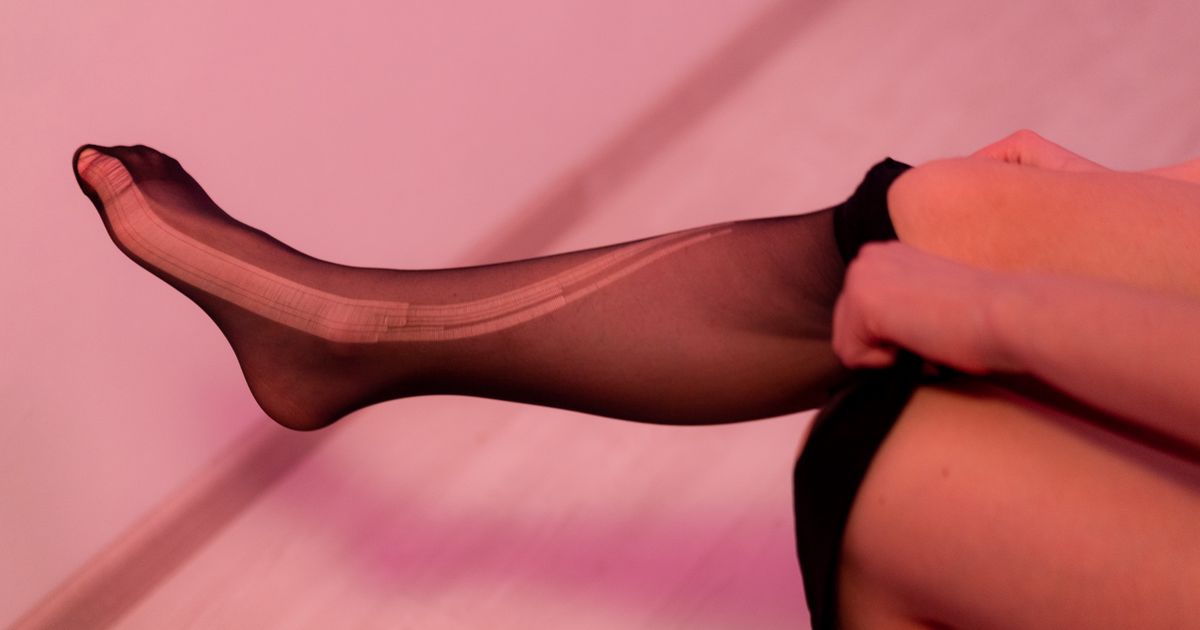
A run creeping up your leg mid-day is basically a fashion emergency. The good news? There are legit ways to keep tights and hosiery from running in the first place, plus damage control tricks for when accidents happen. We're breaking down the strategies that work, so you can wear your favorite pairs without constantly reaching for the backup stash.
Prevention is always easier than repair, and honestly, the best approach combines a few simple habits. Let's walk through the methods that actually make a difference.
This one sounds wild, but it works. Here's the science: freezing tights temporarily stiffens the nylon fibers, making them less prone to snagging and tearing. The fibers become more resilient and less likely to catch on rough edges (like your calluses or dry skin).
Here's how to do it:
The strengthened fibers stay more durable for several wears after thawing. You can repeat this process on your favorite pairs before important events when you really can't afford a run.
Friction is the enemy of hosiery. When tights tumble around loose in a washing machine, they rub against themselves, the drum, and other fabrics, creating tiny weak spots that turn into runs.
Using a mesh washing bag cuts down that friction dramatically. Here's the better way to wash:
When you're gentle with your hosiery during washing, you're basically giving it a longer lifespan. Treat it like the investment piece it is.
Your tights need a little warmup, just like you do. Stretching them gently before you put them on helps condition the fibers and reduces the shock when you sit down, walk, or go about your day.
Take about 30 seconds to:
This preps the material and makes it less likely to tear when you move. It's a tiny habit that pays off.

The real talk: where you buy your hosiery matters. Budget tights are made with thinner nylon and looser knits, so they're basically destined to run. Premium tights use denser stitching and higher-quality yarn, which means they resist snagging and tearing way better.
When you shop for hosiery that's built to last, you're not just buying a pair of tights—you're buying durability. SatinBoutique's hosiery collection includes luxury tights crafted from superior materials designed to withstand daily wear while maintaining that silky, elegant feel.
Investing in 2-3 really great pairs that you rotate beats buying a dozen cheap pairs that all run within a few weeks.
Here's a prevention trick most people miss: wear your tights less frequently. If you have five pairs in rotation instead of wearing the same two pairs constantly, each pair gets more recovery time between wears, and the fibers last longer.
The more you wear a single pair, the more stress you put on the nylon. Spreading that wear across multiple pairs is basically preventive maintenance for your wardrobe.
If a run happens despite your best efforts, you have options. These temporary fixes won't make the run invisible, but they'll stop it from spreading and creating a total disaster.
This is the classic fix for a reason. Dab clear nail polish along the run—it seals the nylon fibers and creates a barrier that prevents the tear from getting bigger. Let it dry completely before wearing. The polish creates a stiff line, so it's most noticeable on lighter-colored tights, but it totally works for stopping a run in its tracks.
Rub a tiny amount of clear liquid soap (like dish soap) around the run and let it dry completely. The soap hardens and forms a protective seal. This is less visible than nail polish and works surprisingly well for keeping a small run from expanding.
A light spray of hairspray on the affected area temporarily stabilizes the fibers. It's not a permanent fix, but it buys you time if you're already out and about. Just be light-handed—too much can make the fabric stiff or sticky.
Beyond the specific tricks, a few daily habits add years to your hosiery's lifespan.

Not all tights are created equal, and certain styles are naturally more resistant to running. Here's what to look for:
Control-top or reinforced styles: Extra layers of nylon in the gusset and control panel make these tougher. They also smooth your silhouette, which is a bonus.
Opaque or semi-opaque deniers: Higher denier (thickness) means stronger fibers. 30+ denier tights are noticeably more durable than sheer 15-denier pairs.
Textured or patterned hosiery: Detailed knits and textured fabrics hide small runs better and sometimes have reinforced sections built into the pattern.
When you're ready to refresh your hosiery drawer, explore SatinBoutique's premium hosiery options, which include styles specifically engineered for durability and comfort. Each pair is designed to be a luxury staple you reach for again and again.
The absolute best way to keep tights from running? Treat them well and don't overwork them. This means:
Your hosiery is an investment in your everyday elegance. The more carefully you approach it, the longer it lasts and the better it looks on your legs.
Beyond the physical care of your tights, a couple styling choices help them last longer.
Hairspray also prevents skirts from riding up, which reduces friction and snagging on your tights. A light spray on the inside of your skirt hem keeps it in place without damaging the fabric.
When you're layering—say, tights under jeans or a long skirt—make sure your outer layer has a smooth interior. Rough denim seams or coarse linings rub against hosiery constantly. Smooth fabrics, silky linings, and well-finished seams are all gentler on tights.
The goal is creating a calm, friction-free environment for your hosiery to thrive in. Small style choices actually prevent a lot of wear and tear.
Instead of constantly replacing runs, build a rotation of quality pieces. Three to five luxury pairs in neutral colors (black, navy, cream, grey) will get you through nearly every outfit scenario. Add a couple of fun textures or patterns for special occasions.
Quality hosiery doesn't have to be expensive per-wear when you're rotating properly. A $30 pair of tights that lasts 40 wears is cheaper than ten $5 pairs that each last 4 wears.
When you're ready to invest in pieces that combine luxury, durability, and elegance, SatinBoutique curates collections designed for women who value quality. Your hosiery should be something you love wearing, not something you dread replacing.
Yes, freezing works by temporarily stiffening the nylon fibers, making them less prone to snagging. The effect lasts for several wears. It's not a cure-all, but it's a solid preventive tactic, especially before important events when you need your tights to stay intact.
Clear nail polish will seal a run and stop it from spreading, but it won't make the run disappear. The polish creates a visible stiff line along the damage. It's a solid emergency fix that buys you time, but it's not invisible. For a truly hidden repair, you'd need a professional to hand-stitch the tear closed.
Higher denier means thicker, stronger fibers. Look for 30 denier or higher if run-resistance is your priority. These are more durable than sheer tights but still maintain an elegant, polished look. SatinBoutique offers hosiery in various deniers so you can choose the right balance of opacity and durability for your lifestyle.

Wash tights after 2-3 wears, not after every single wear. Over-washing breaks down the fibers faster than normal use does. Hand wash in cold water when possible, or use a mesh bag in the washing machine on a gentle cycle. Always air dry.
Comments will be approved before showing up.