Very pleased with the product.
Love it, This good and dance with it.
Love they're bedding products, hoping to purchase more in the future
Bought this for my wife and she loves it



When you're shopping for bedroom linens, you're really choosing between a handful of key materials—each with totally different feels, durability, and performance. Let's be honest: throwing random sheets on your bed isn't going to cut it if you care about comfort. The right bedroom linens can change everything from how you sleep to how you feel the moment you touch them.

Here's what you need to know: the eight main types of bedroom linens break down into natural fibers, synthetic blends, and luxury alternatives. Your sleeping style—whether you run hot, cold, or somewhere in between—determines which type will actually work for you.
Related: Decorative Bed Sheets: Style Your Bedroom with Luxury Fabrics
Related: French Country Bedding Collections: Style Your Bedroom
In this article
Cotton is the gold standard. It's breathable, durable, and gets softer with every wash. If you see "100% cotton" on a label, you're looking at a material that'll last years and feel luxurious every single night.
There are two main weaves of cotton sheets: percale and sateen. Percale is crisp and cool—perfect if you sleep hot. Sateen has a silky sheen and feels buttery soft, ideal for anyone who loves that sinking-into-luxury feeling.
Bamboo sheets are made from bamboo cellulose and they're naturally temperature-regulating. They're softer than most cottons right out of the bag and incredibly breathable. If you want something that feels indulgent without the weight, bamboo is your answer.
Bamboo also wicks moisture like a dream, making it perfect for hot sleepers or anyone who sweats at night. Fair warning: they're pricier than basic cotton, but the comfort trade-off is worth it.
Linen is the tough love of bedding. It's wrinkled, it's textured, and it gets softer and better with time. Linen sheets have a lived-in, relaxed vibe that screams European luxury.
They're incredibly breathable and cool—some of the coolest sheets available. If you live somewhere hot or run warm at night, linen is a smart choice. Just accept that they'll never look pristine, and that's part of their charm.
Silk is pure indulgence. It's smooth, cooling, and feels like sleeping on a cloud. Silk sheets are gentle on your skin and hair, which is why they're beloved by anyone who cares about skincare and beauty sleep.
The catch? Silk requires careful washing and can be fragile. It's a premium investment, but if you're someone who values that sensory experience every night, it's worth every penny. Many of our customers pair silk sheets with our silk sleepwear for a completely coordinated luxury sleep experience.
Related: How to Care for Silk and Satin Sleepwear: Complete Guide
Tencel is a brand name for a type of rayon made from wood pulp. It's softer than cotton, more breathable than most synthetics, and incredibly eco-friendly. Tencel sheets feel silky and cool, and they dry faster than natural fibers.
If you want the luxury feel of silk without the price tag or the maintenance headache, Tencel is your sweet spot. It's moisture-wicking and temperature-regulating, making it great for all sleep types.
Microfiber is a synthetic material that's budget-friendly and stain-resistant. Here's the real talk: microfiber is cheap, it wrinkles easily, and it traps heat. Most luxury sleepers skip this option unless they're specifically looking for something that's easy to clean and low-maintenance.
It doesn't breathe well, so if you run hot, microfiber is going to work against you. We'd recommend investing in something better if comfort is your priority.
Polyester blends mix natural fibers with synthetic materials to lower the price. They're durable and easy to care for, but they often sacrifice breathability and that luxurious feel.
A 65% cotton, 35% polyester blend will perform okay, but it won't give you that premium experience. If you're serious about sleep quality, natural fibers or Tencel are better investments.
Some manufacturers blend linen and cotton to get the best of both worlds: the durability and cool feel of linen with the softness of cotton. These blends tend to wrinkle less than pure linen while keeping that breathable, luxury vibe.
Your personal sleep preferences matter way more than what looks pretty in marketing photos. Let's match you to the right type.
Go for lightweight, breathable fabrics: cotton percale, linen, or Tencel. These materials move heat away from your body and let air circulate. Avoid microfiber and heavy sateen if you wake up sweating.
Cotton sateen, silk, or bamboo will feel warmer and more insulating. Sateen has a heavier weave, and silk traps warmth naturally. Pair these with a quality comforter and you're set.
Silk and high-quality cotton are your best friends. Both are gentle, hypoallergenic, and won't irritate. Avoid microfiber and polyester blends, which can cause friction and irritation over time.
Tencel and polyester blends wash easily and dry fast. They're also stain-resistant. Natural fibers require more gentle care, but the luxury feel is worth the extra effort if that matters to you.
When you buy a sheet set, you're getting multiple pieces working together. Knowing what each one does helps you build the perfect sleep setup.
Fitted Sheet: This hugs your mattress and stays in place. Most people use one fitted sheet per set.
Flat Sheet: This is the top sheet that goes over you. It's optional—some people skip it and go straight to a comforter.
Pillowcases: A standard set includes 1 pillowcase for twin beds and 2 for full, queen, or king. Match these to your sheet material so everything feels cohesive.
Duvet Cover: This protective layer goes over your comforter or duvet insert. It keeps everything clean and lets you change your look without replacing the insert.
Comforter vs. Duvet vs. Coverlet: A comforter is a thick, quilted blanket you use alone. A duvet insert goes inside a duvet cover. A coverlet is thinner and goes on top of regular sheets for layering.
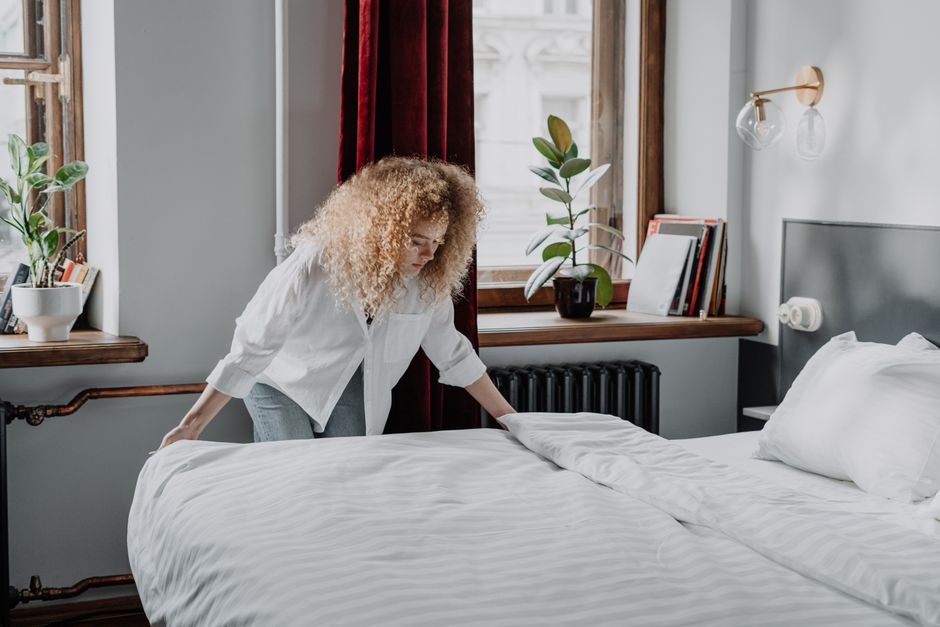
Here's what experts consistently recommend: prioritize natural fibers over blends whenever possible. According to research from textile science, natural fibers like cotton and linen outperform synthetics in breathability and moisture management, which directly impacts sleep quality.
Thread count matters, but not as much as people think. Anything above 400 is fine. What really counts is the material type and how tightly the weave is constructed.
When you're ready to invest in quality linens, SatinBoutique curates bedroom collections in premium materials that actually feel like an upgrade from standard department store options. The difference is noticeable the first night.
Not all linens wash the same way. Here's the quick breakdown so you keep your investment looking pristine.
Cotton: Wash in warm water, tumble dry on medium. Cotton gets softer and better with washing.
Silk: Hand wash or use a delicate cycle in cool water. Air dry only. Never put silk in the dryer.
Linen: Wash warm, but expect wrinkling. Linen actually gets softer when you wash it regularly.
Bamboo: Gentle cycle, cool water, and hang dry when possible. Bamboo is more delicate than cotton.
Tencel: Cool water, gentle cycle, hang dry. Tencel can shrink if you're not careful with heat.
Microfiber: Warm water, medium heat. It's the easiest to care for, which is its main advantage.
Once you've picked your linen material, think about how it coordinates with the rest of your sleep experience. If you're investing in luxury sheets, consider adding matching luxury sleepwear to complete the vibe.
Your bedroom is a personal sanctuary. The textures, materials, and quality of everything in it matters. Whether you choose silk, linen, or premium cotton, the goal is waking up feeling rested and indulged.
When you're ready to upgrade your entire sleep experience—from sheets to sleepwear to robes—SatinBoutique has curated collections in every material type mentioned here. Quality matters at every layer.

Percale has a tight, crisp weave that feels cool and smooth. Sateen has a loose weave with a silky sheen that feels soft and warm. Percale is better for hot sleepers; sateen is better if you like that luxurious, buttery feel.
If you value sensory comfort and have the budget, yes. Silk is cooling, gentle on skin and hair, and feels incredible. The trade-off is maintenance—silk requires careful washing and can be fragile. For many people, it's worth it.
You can, but it's not ideal. Mixing materials means different care instructions, different feels, and less cohesion. It's better to pick one material and commit. If you want layering, use a duvet cover in one material over sheets in another.
Quality linens last 5-10 years with proper care. Natural fibers like cotton and linen actually improve with age. Synthetics and blends tend to wear out faster. Invest in better linens upfront and you'll replace them less often, making them more cost-effective long-term.
Comments will be approved before showing up.